Three real objects from a shelf, rebuilt as living 3D. Captured with a camera, reconstructed with photogrammetry, optimised by hand, and set loose in Unreal Engine, coursework from my MSc, and proof that I like learning the hard, dimensional way.
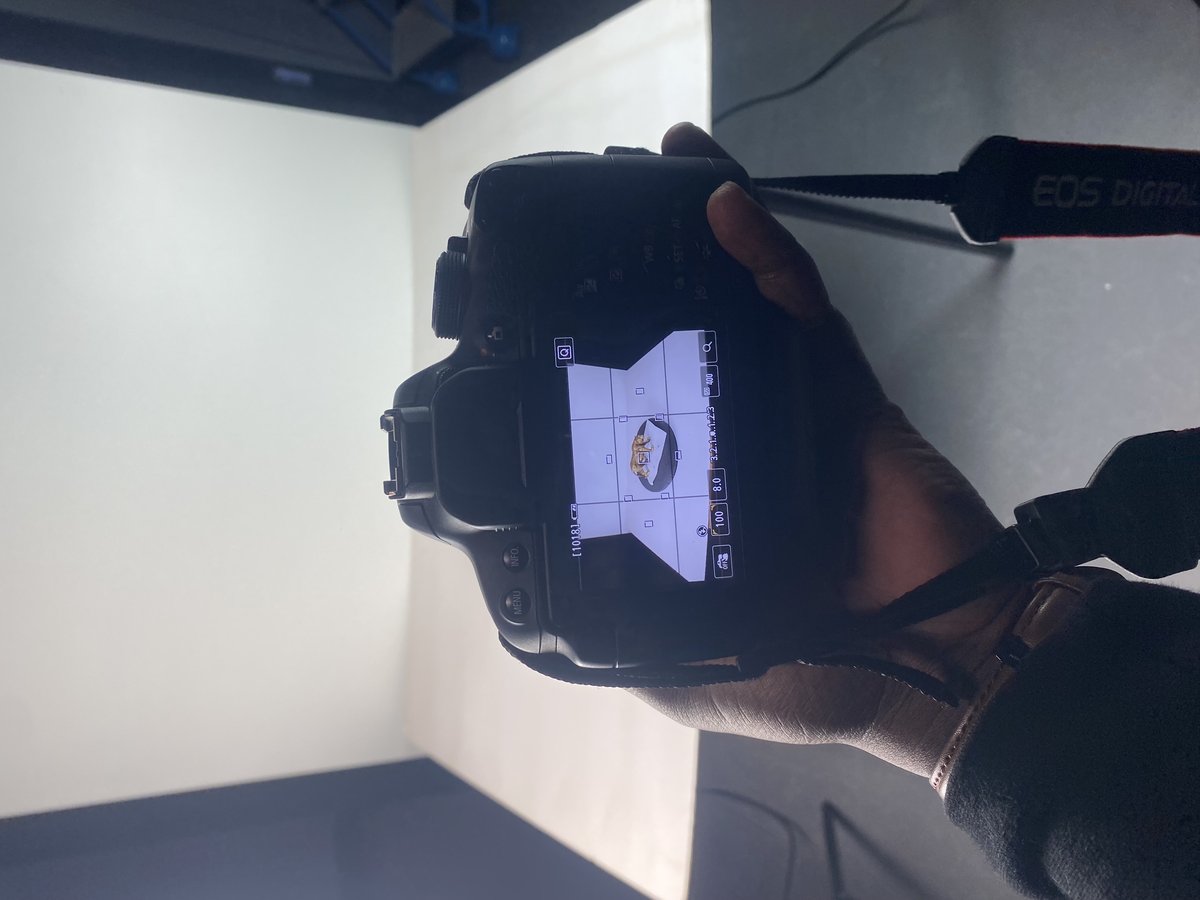
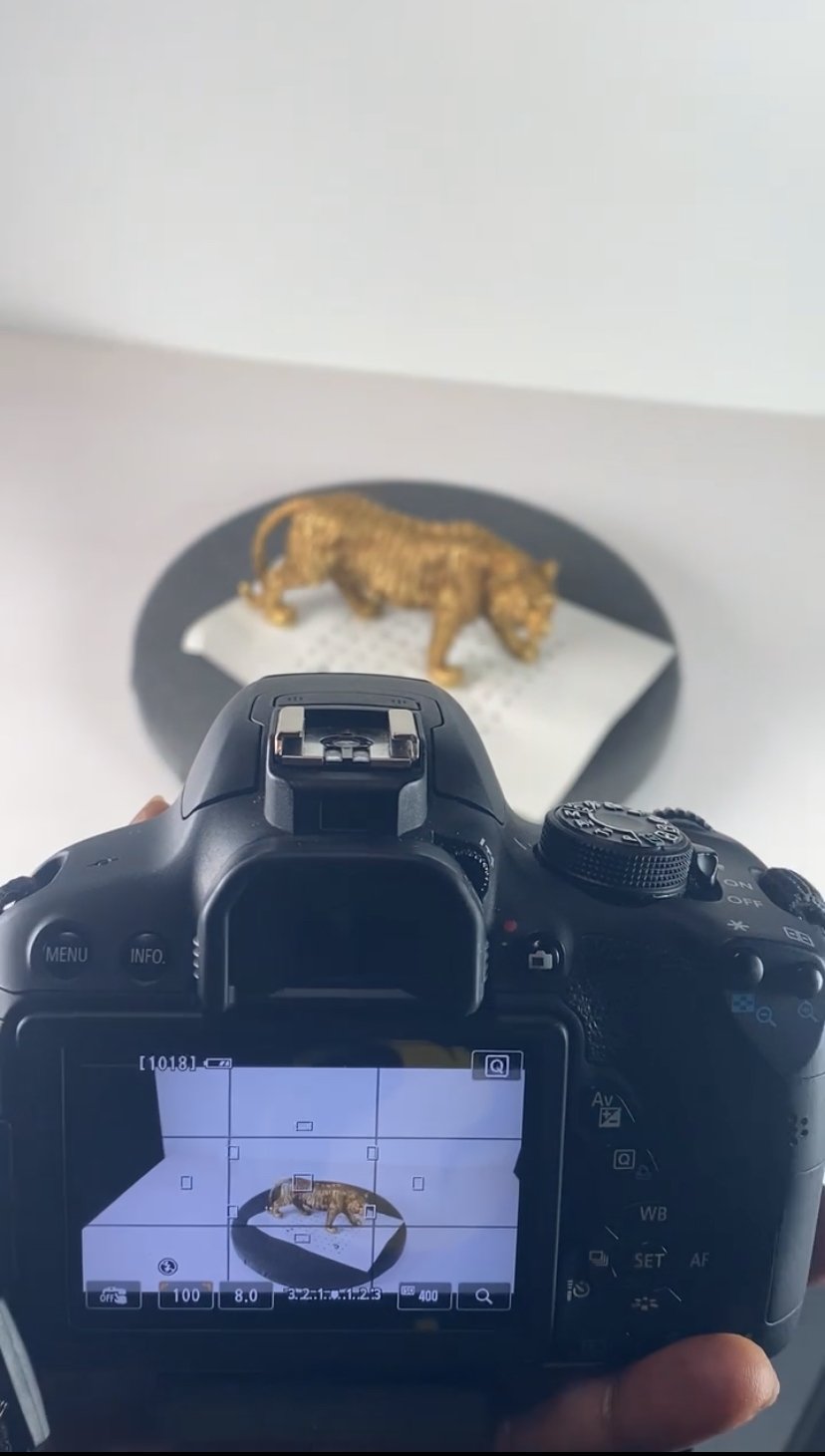
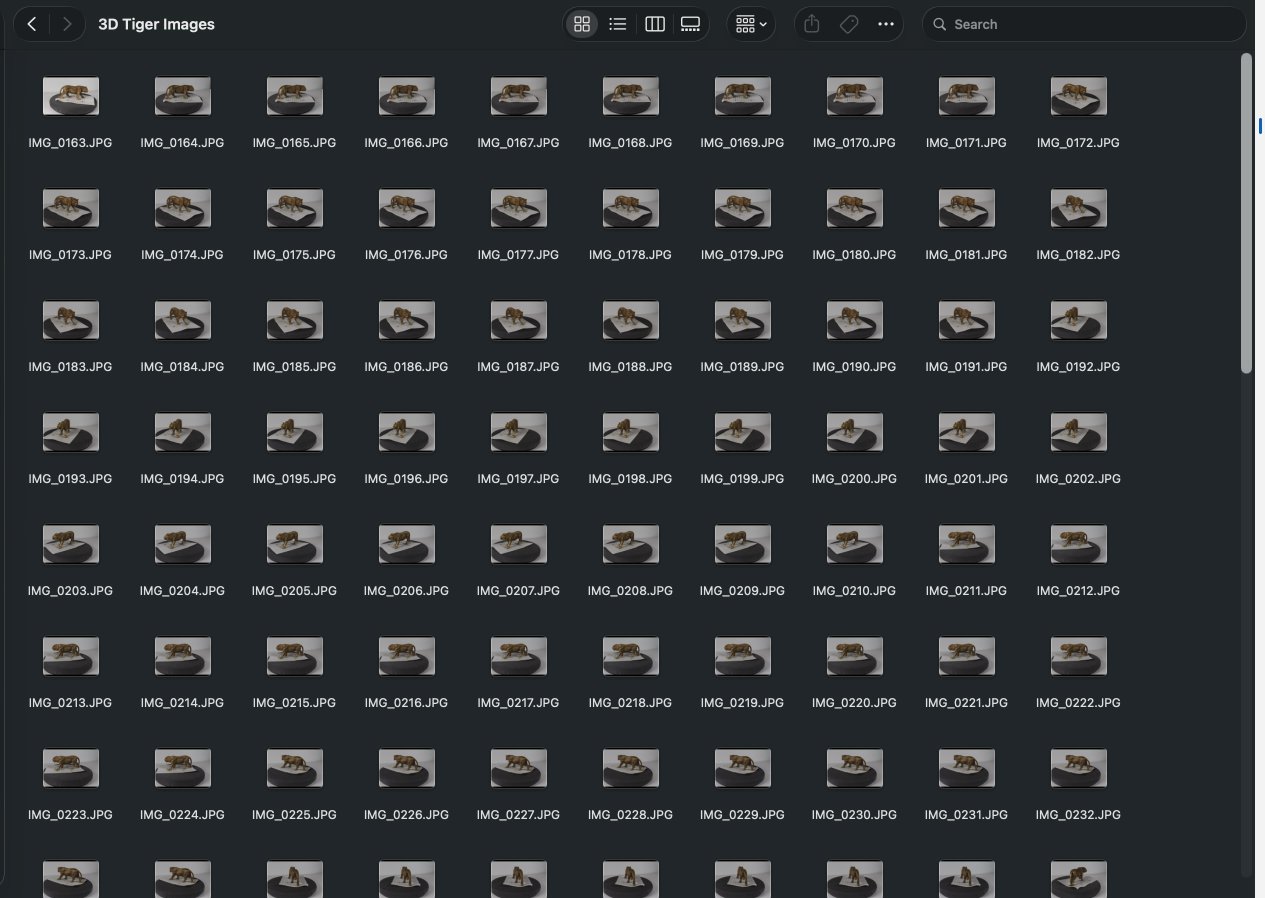
It starts embarrassingly analogue: a light tent, a DSLR, a turntable, and a small ceramic zoo. Each object gets photographed from every angle, roughly 70 captures a pass, rotating a few degrees at a time, keeping light flat and focus deep.
Photogrammetry is unforgiving. Miss an angle and the model grows holes; blow a highlight and the texture bakes in the mistake. The camera work is the craft.


The studio: one light tent, one turntable, a lot of patience.
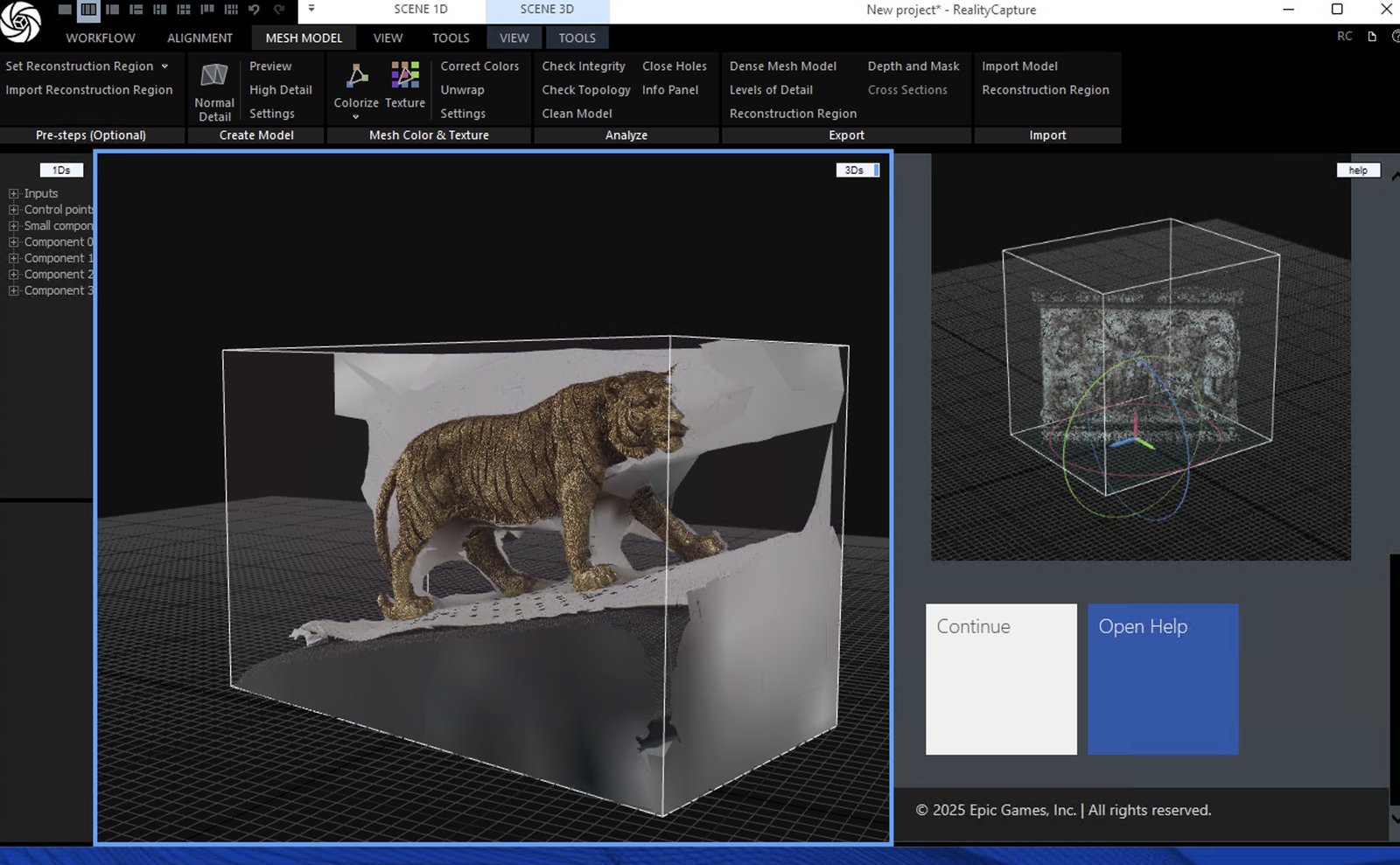
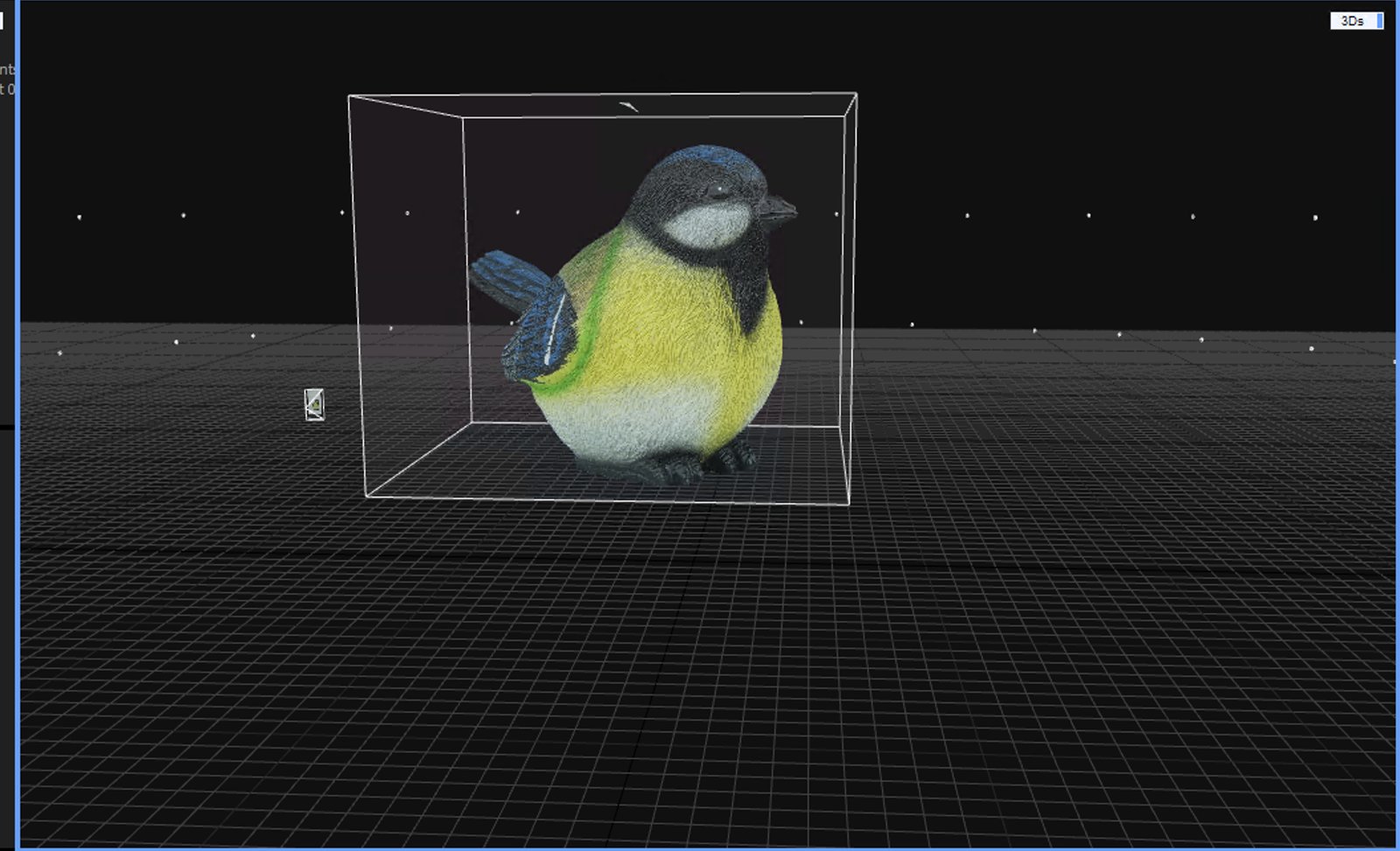
RealityScan aligns every capture in space and grows a dense mesh out of the overlaps, the tiger and the bird emerging inside their bounding boxes.


Left: the bird, solved. Right: the capture set that made it possible.
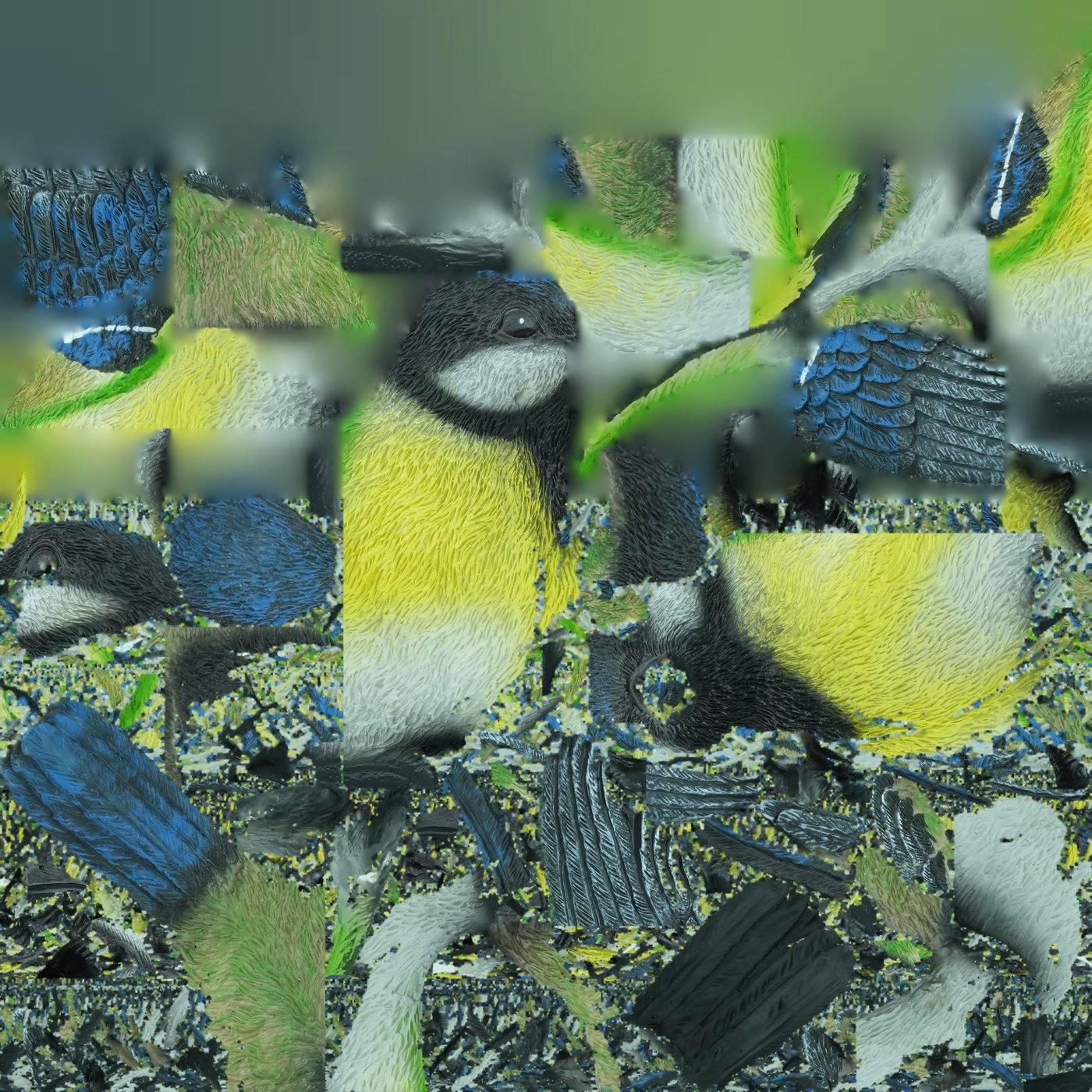
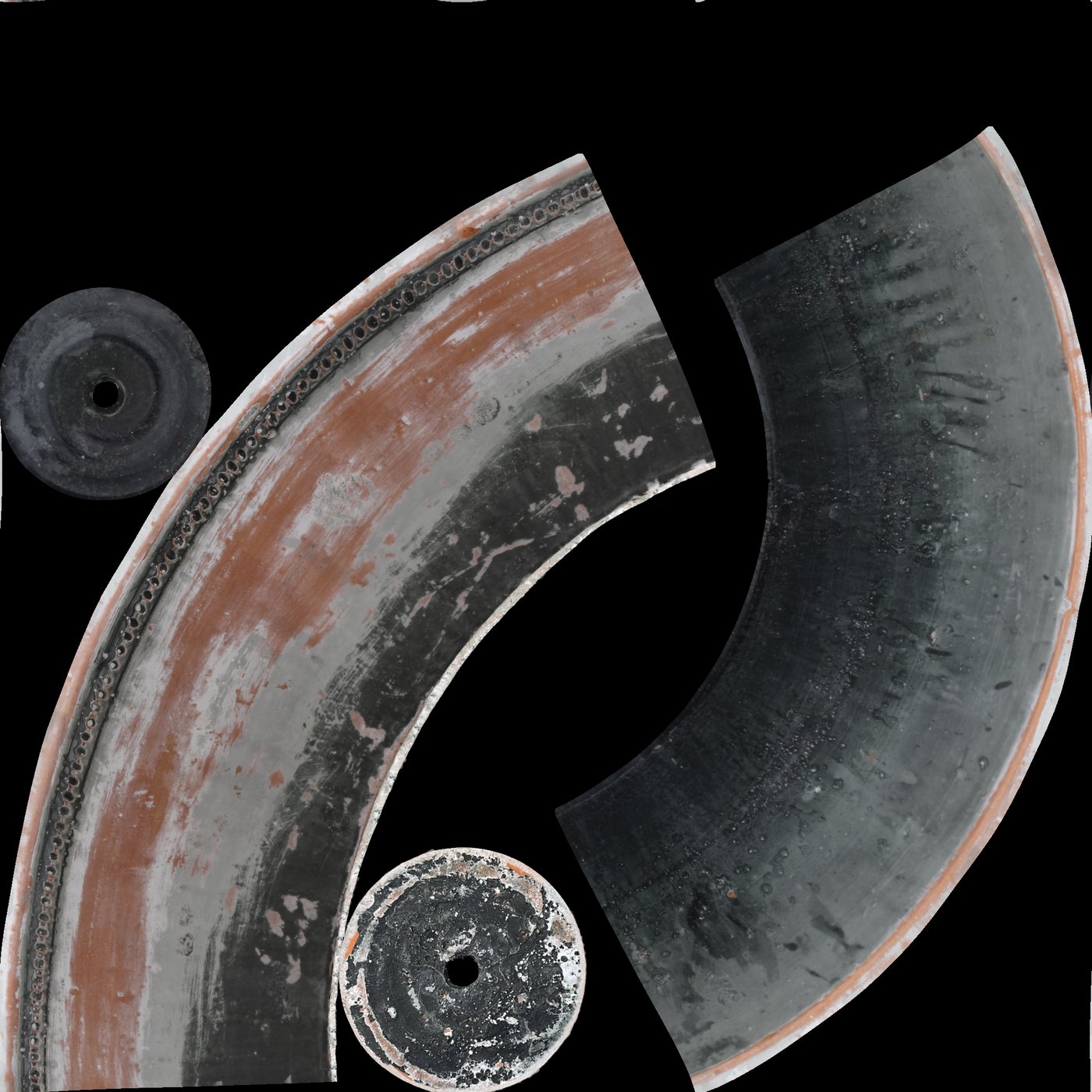
UV texture maps are the strangest artefacts of the pipeline, a whole animal peeled into a flat mosaic so the mesh can wear it back.


The bird and the pot, as their textures see them.
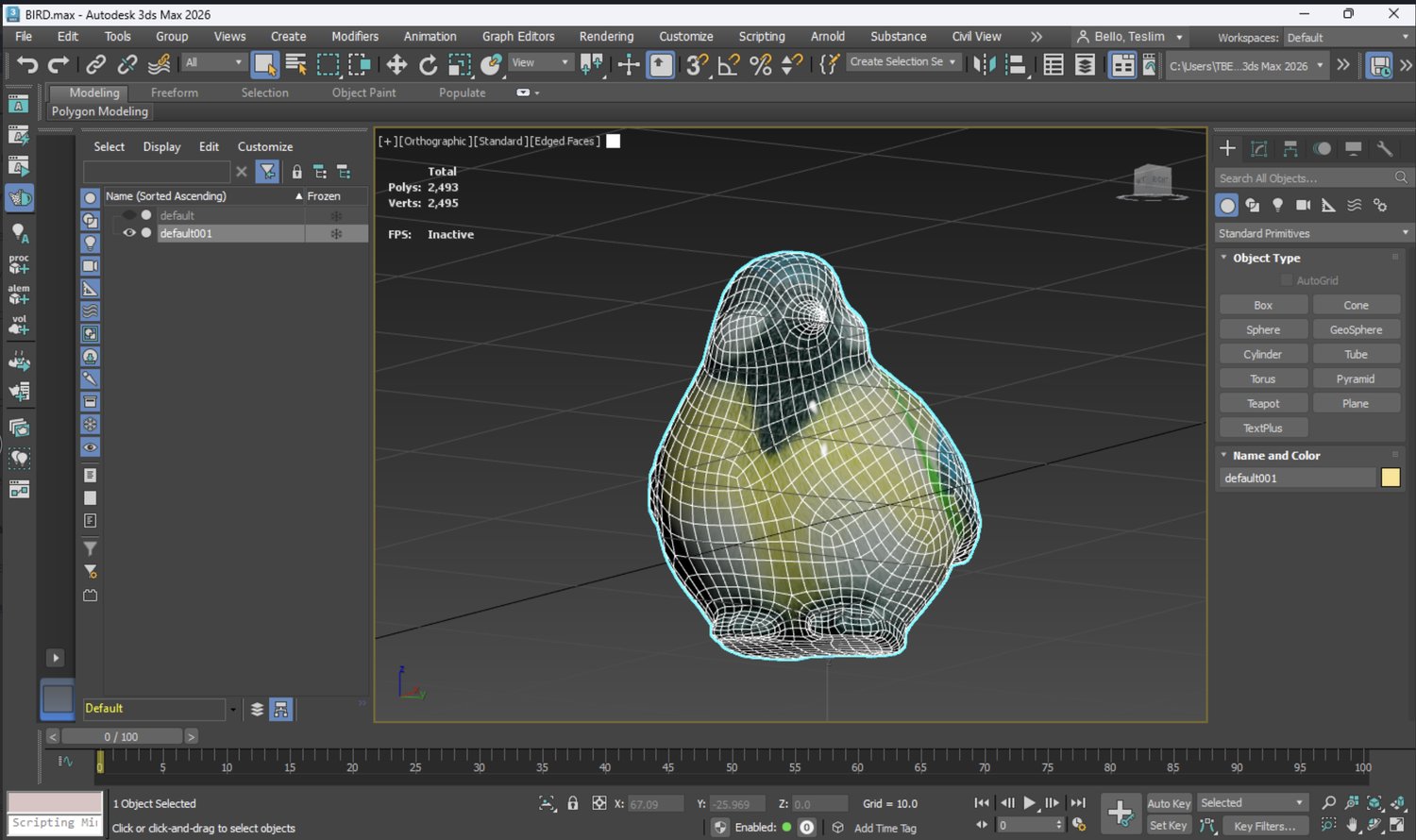
Raw scans are beautiful and useless, millions of chaotic triangles no engine wants. The unglamorous middle of the pipeline is retopology and optimisation in 3ds Max: rebuilding the surface with a sane polygon budget while keeping the silhouette honest.
This is where the module earned its keep, the same discipline as design systems: reduce, structure, keep only what serves.

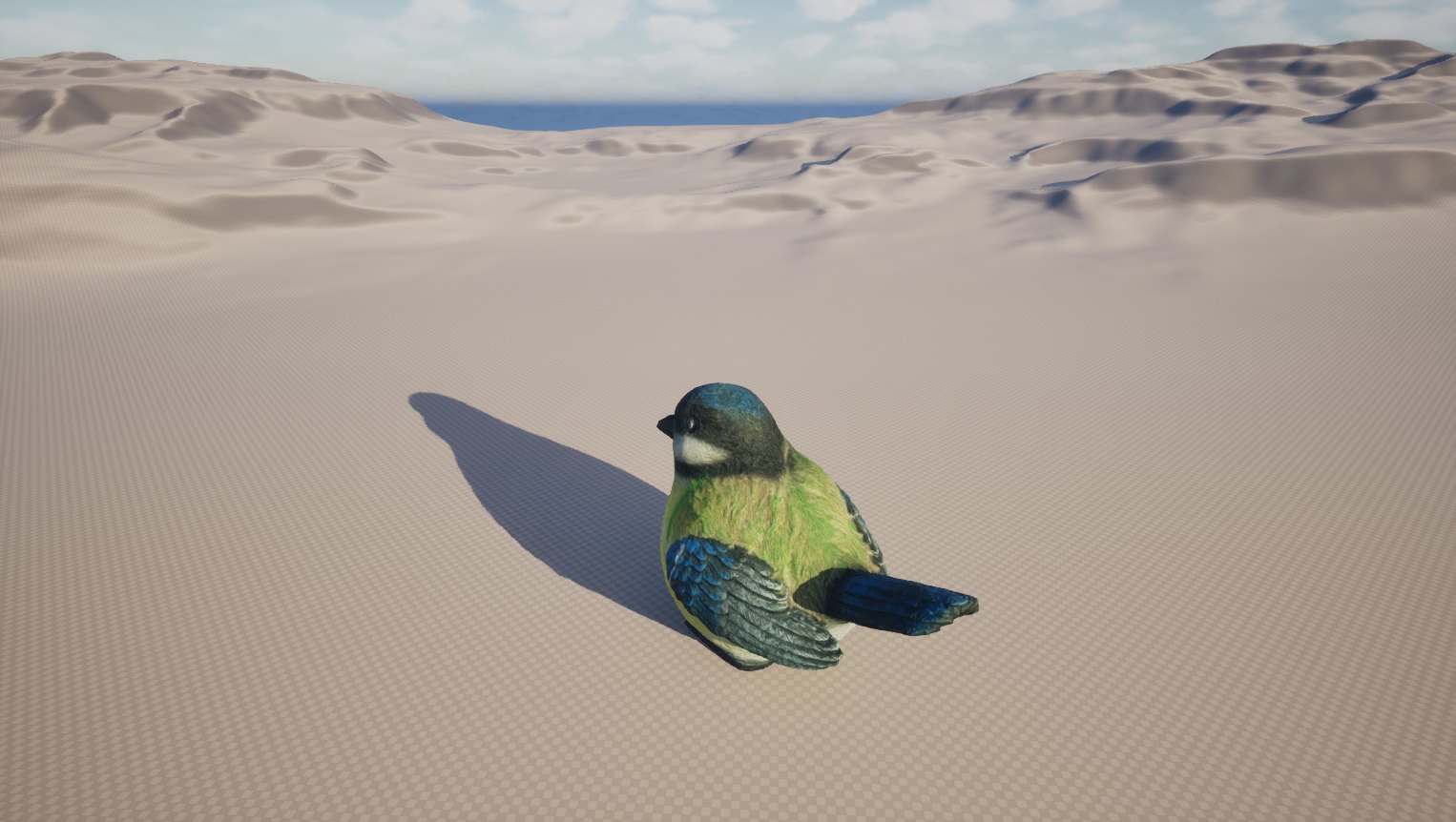
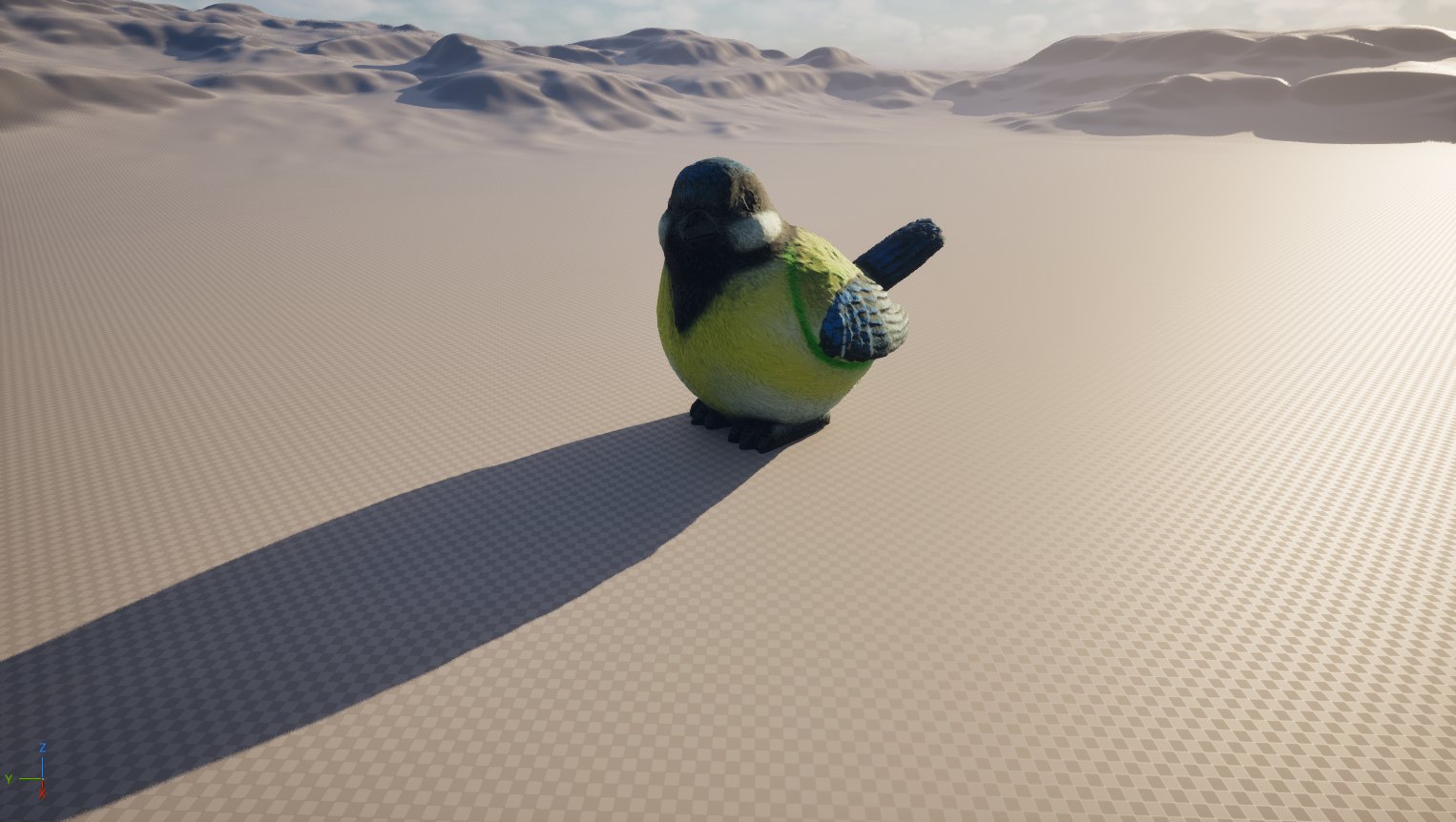
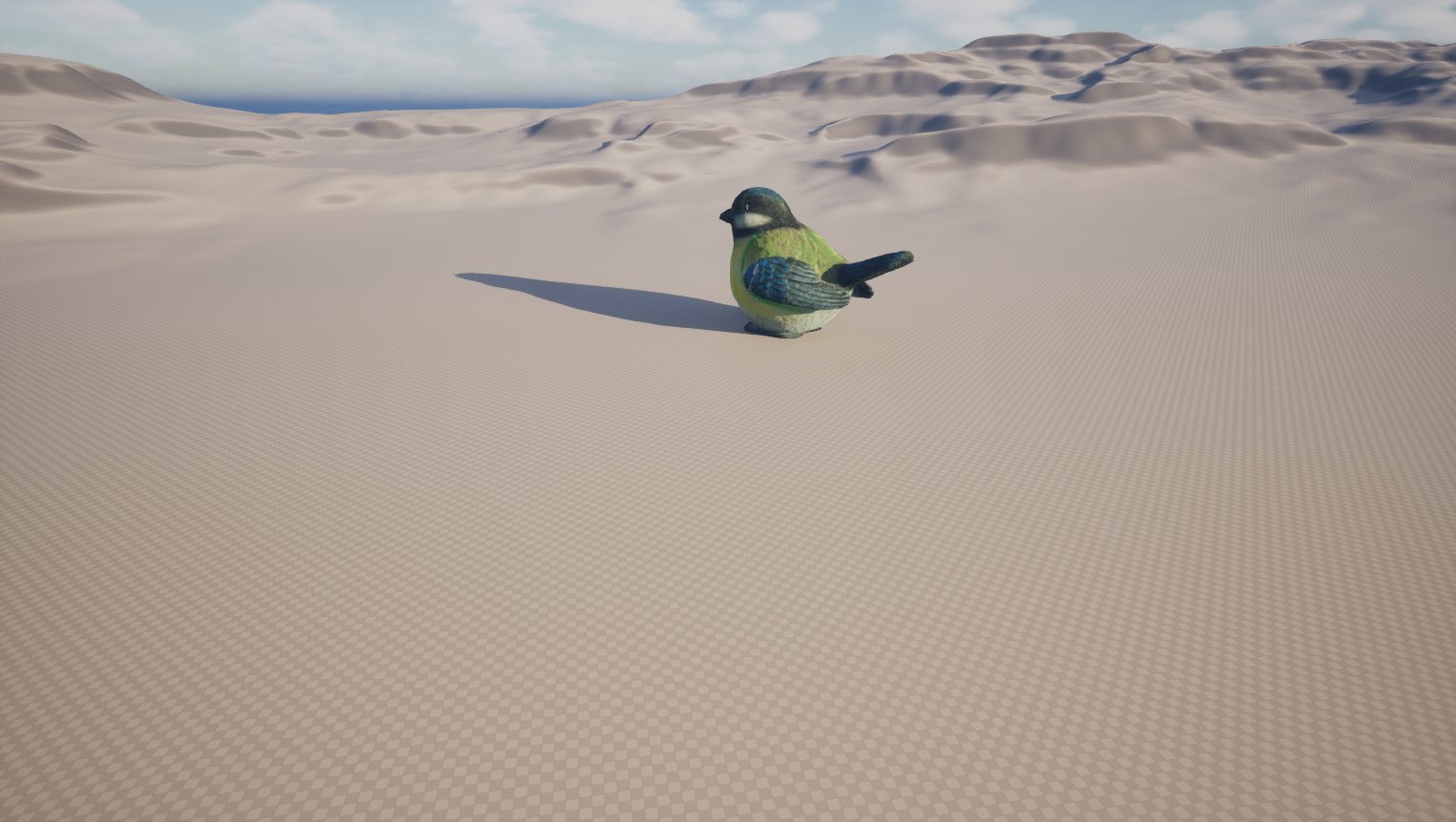
Exported, imported, lit, the bird standing in Unreal Engine terrain it has no business being in. This is the moment the pipeline pays off.


The reconstructed bird, live in Unreal Engine. Sound intentionally left in the studio.
Spatial interfaces are coming for product design. I'd rather meet them already fluent, and the fastest way to respect a pipeline is to run every step of it yourself.