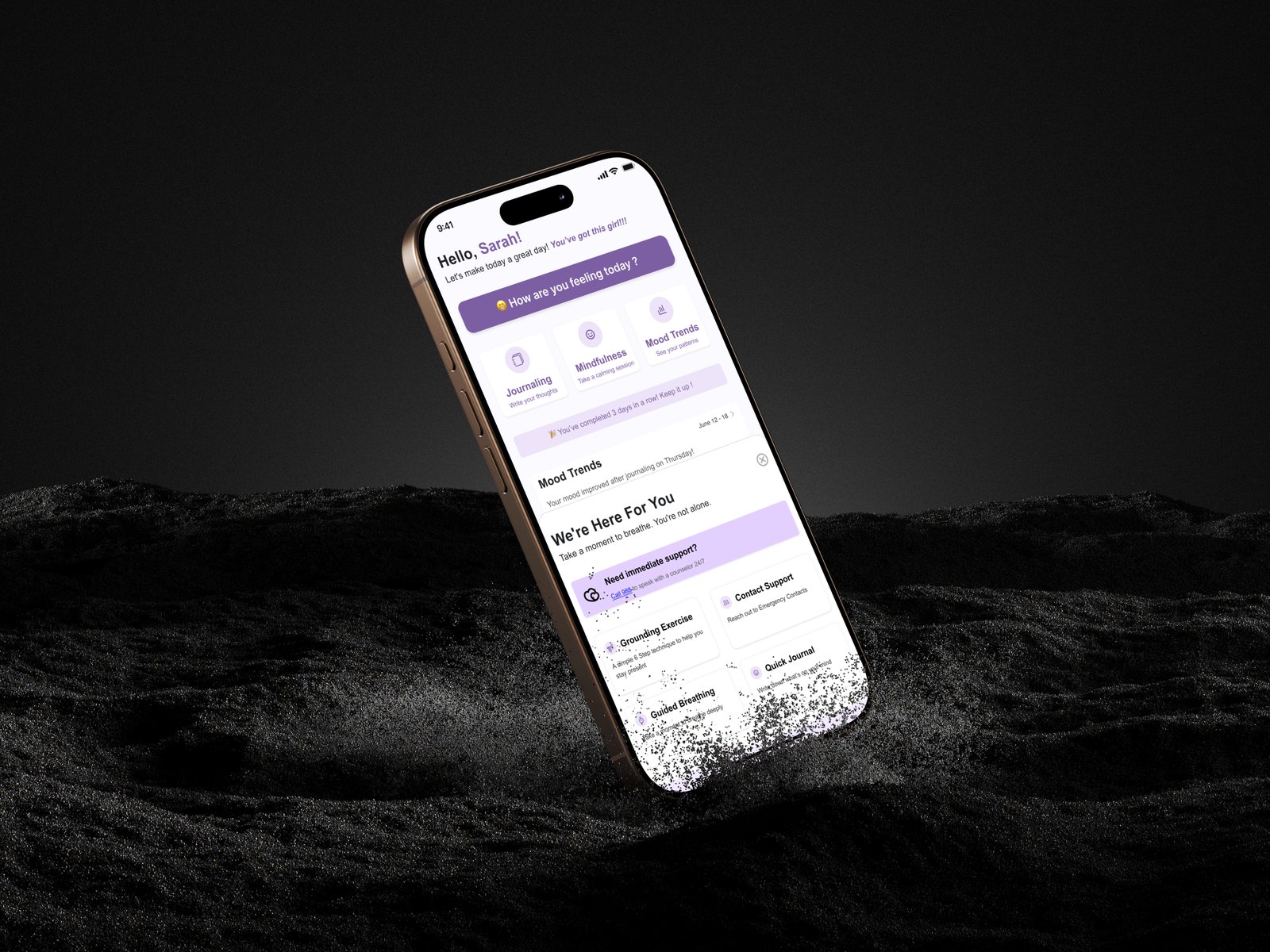
A mental-health companion designed to feel like a friend, not a clinic, helping people check in, reflect, and find calm. Built on one belief: everyone deserves to feel heard, understood, and supported, anytime and anywhere.
Picture this. The day has finally gone quiet, but your head hasn't. You're not in crisis, you just need something. A moment. Someone to ask how you're actually doing, without a waiting room, a clipboard, or a six-week wait for an appointment.
That's the gap EmoSync was built for: not the big emergencies, but the small, ordinary, 11pm kind of heavy that most apps have no answer for. Where everything else feels clinical, EmoSync is designed to feel like a friend who checks in, a quiet place for self-discovery, so you can hear yourself a little more clearly and move toward feeling like you again.
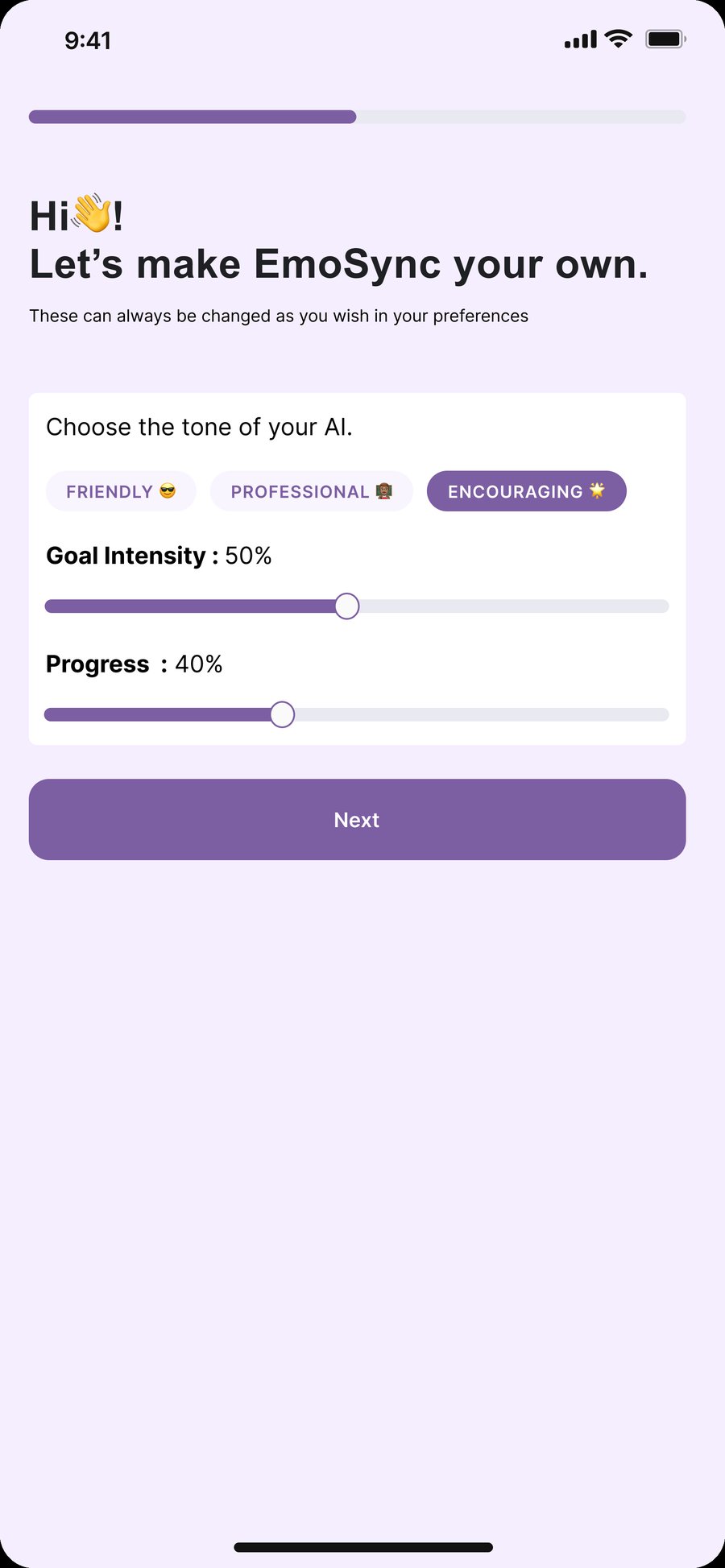
Onboarding sets the tone, calm, personal, and human from the very first screen.
Onboarding
Break the clinical barrier, intuitive, calming interfaces built from soft gradients and rounded, friendly elements.
AI tone sliders and customisable touches deliver support that feels non-judgmental and genuinely individual.
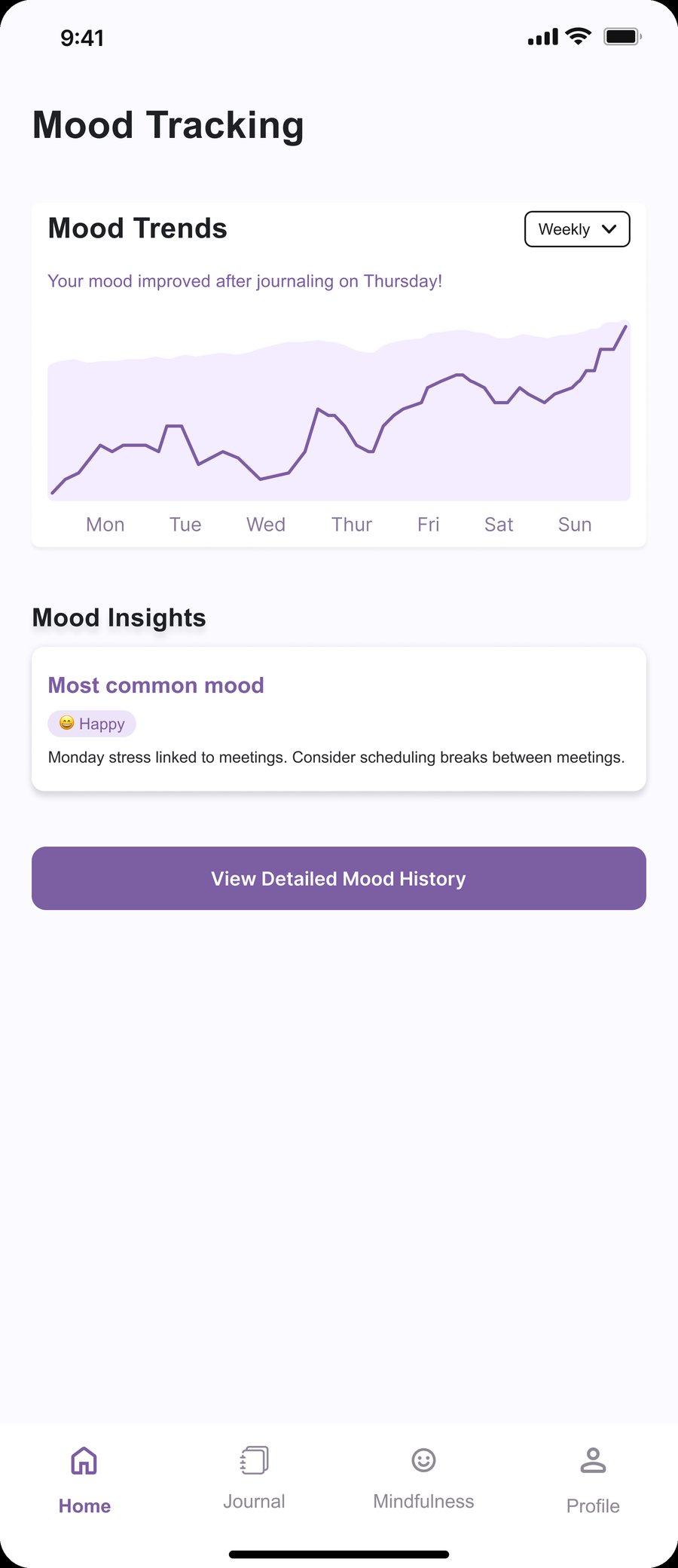
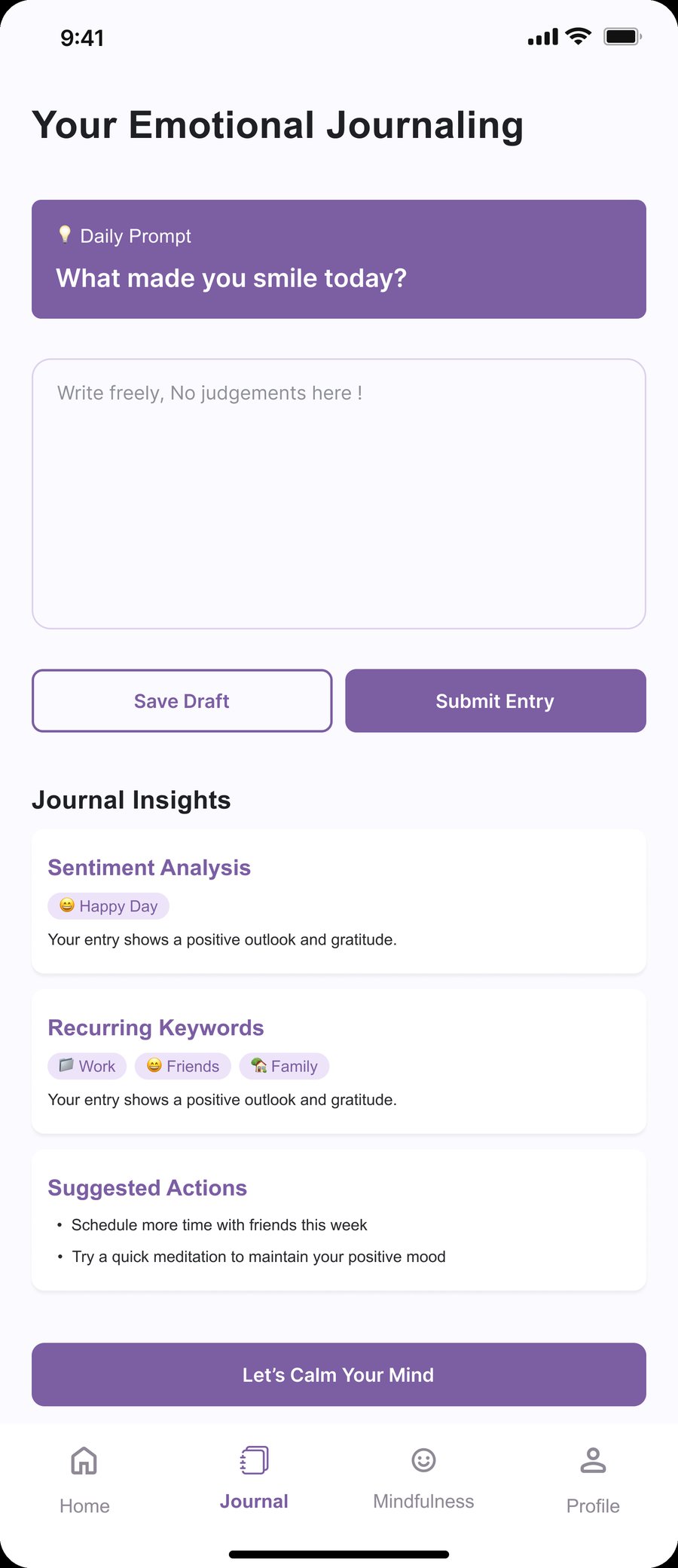
Turn emotional patterns into practical insight, mood trends, journaling prompts, and adaptive mindfulness.
From the everyday check-in to the hardest nights, here's how it actually works.
"How are you really feeling?", the question most apps skip. The daily check-in meets you wherever you are and does the asking, turning thirty quiet seconds into the most meaningful part of your day.

Guided prompts pull the thread, and EmoSync hands the insight back so you can see the pattern.

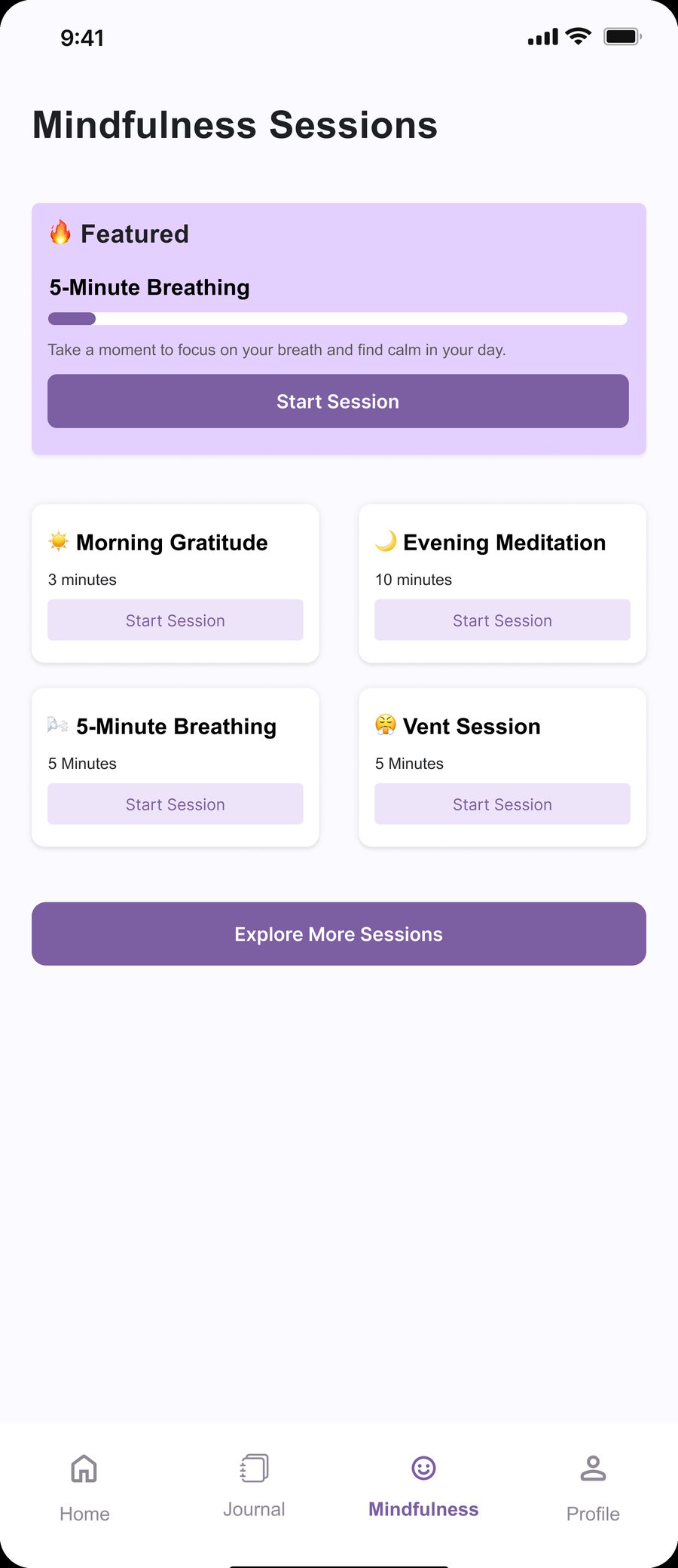
Short resets for when you just need to come back to yourself, no whole routine required.

Triggers, cycles, and good weeks made visible over time, the bigger picture of you.

Slide its tone until it feels like a friend, not a script, support in your own language.
When it's more than a heavy mood, EmoSync shifts gear. Grounding exercises and a direct line to real help, one tap away, calm, fast, and there. This is the feature I most wanted to get right.
Making an assistant feel genuinely understanding, solved through customisable tones and personalised prompts so users feel seen, not processed.
Keeping it beautiful and effortless at once, iterative testing refined the daily check-in and other flows into something visually inviting yet intuitively simple.
Full walkthrough of EmoSync
UX gets to tell stories too. EmoSync was mine, the one I got genuinely lost in. The goal was never to clinicalise care; it was to make support feel human. An app that tries to be the friend who asks at 11pm, not the form you fill out.